Childcare centres have unique cleaning requirements that go well beyond those of a typical office environment. Young children interact closely with one another, frequently share toys and learning equipment, and regularly come into contact with surfaces throughout the day. These factors increase the importance of maintaining high hygiene standards to support a safe and healthy environment.
Unlike offices, where employees generally use dedicated workspaces, childcare facilities experience constant activity across classrooms, play areas, dining spaces, and restrooms. Consistent cleaning routines help minimise the spread of germs while providing reassurance for parents, educators, and staff.
Maintaining a structured cleaning program is an essential part of creating a safe and welcoming childcare environment.
Why Childcare Cleaning Requires A Higher Standard

Centre managers looking to improve hygiene standards can explore childcare cleaning Sydney (this page) to better understand the specialised cleaning practices required for childcare environments, including infection prevention, safe sanitisation procedures, and the regular cleaning of high-touch areas used by children every day.
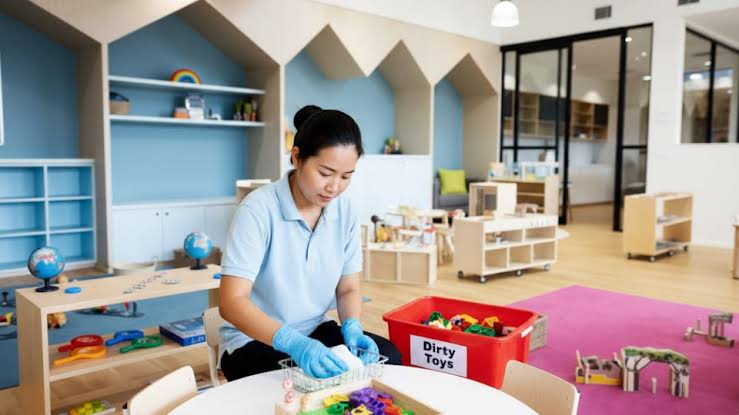
Items such as toys, tables, chairs, sleeping areas, bathrooms, and shared learning equipment require frequent cleaning because they are used repeatedly throughout the day. High-touch surfaces should also be disinfected regularly to reduce the risk of illness spreading between children and staff.
Using child-safe cleaning products and following established hygiene procedures helps maintain a healthier learning environment without disrupting daily activities.
Consistent attention to cleanliness supports both child wellbeing and regulatory compliance.
Creating A Healthier Learning Environment
Professional cleaning contributes to healthier childcare facilities by reducing dust, allergens, bacteria, and viruses that can accumulate during daily activities. A clean environment also helps children feel comfortable while allowing educators to focus on learning rather than hygiene concerns.
Regular deep cleaning complements everyday maintenance by addressing areas that may not receive constant attention during operating hours. This approach helps maintain consistently high standards throughout the facility.
Clear cleaning schedules and documented procedures also demonstrate a strong commitment to health and safety for parents and regulatory authorities.
Maintaining excellent hygiene supports confidence in the quality of childcare services provided.
Planning For Long-Term Hygiene Standards
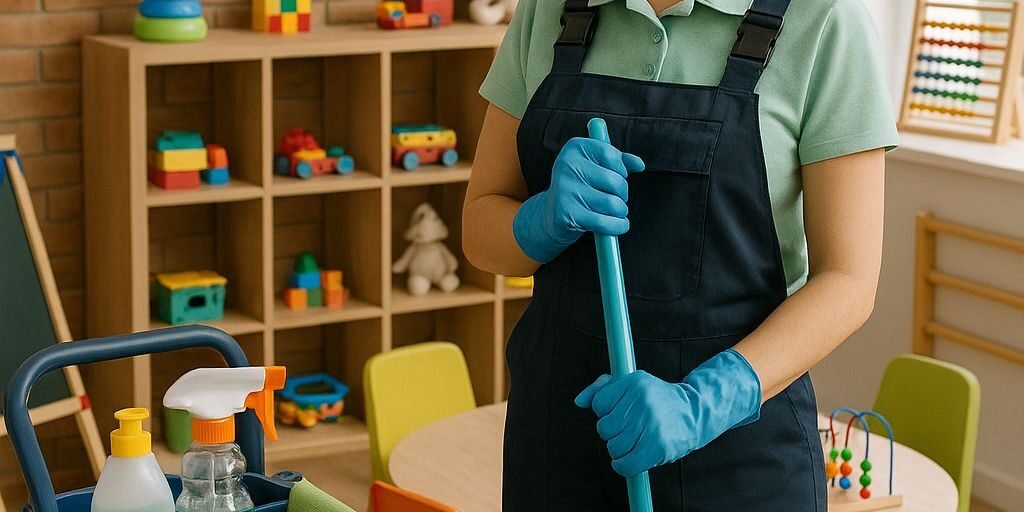
Effective childcare cleaning is an ongoing process rather than a one-time task. Centres should review cleaning procedures regularly to ensure they continue meeting operational requirements, seasonal health risks, and changing enrolment levels.
Working with experienced cleaning professionals can provide additional expertise, specialist equipment, and proven cleaning methods tailored to childcare environments. Regular quality checks also help maintain consistent service standards.
Combining professional cleaning with strong daily hygiene practices creates safer spaces for children, educators, and visitors throughout the year.
A long-term commitment to cleanliness supports both operational excellence and child wellbeing.
Conclusion
Childcare centres require more comprehensive cleaning routines than standard office environments because of the unique needs of young children and the high level of daily interaction within shared spaces. Consistent cleaning, effective sanitisation, and ongoing hygiene management all contribute to healthier facilities.
By implementing structured cleaning programs and maintaining high standards every day, childcare providers can create safer learning environments that support the wellbeing of children, staff, and families while promoting confidence in the quality of care they deliver.